Aluminum
replaces steel
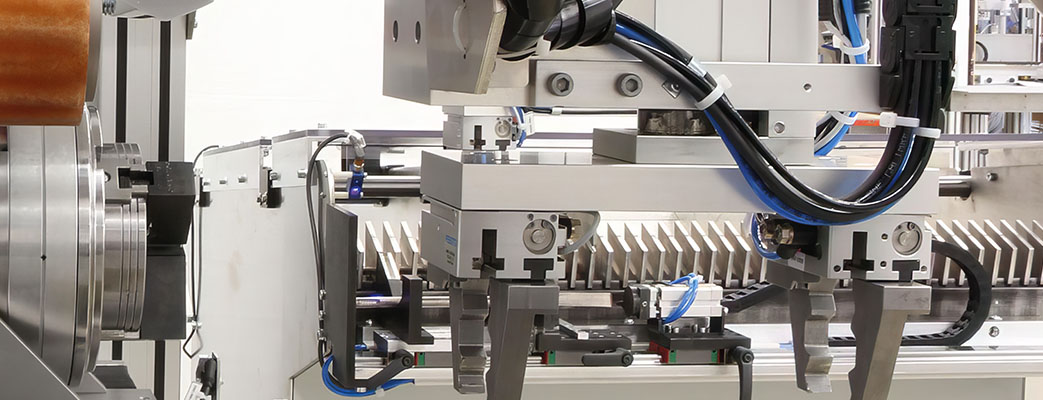
Mechanical engineering has traditionally been one of the key pillars of industrial economies. When it comes to materials, aluminum casting is the material of choice, as it perfectly meets the high demands for stability, lightness, and versatility – unlike almost any other material. For a long time, steel was the gold standard. But aluminum has overtaken steel thanks to its unique forming properties and its excellent machinability.
Mechanical Engineering
Possibilities
Unmatched possibilities
Unmatched possibilities
for designers
The weight of machines and components continues to decrease. This leads to shorter cycle times due to less moving mass. Existing welded assemblies can be replaced with ideal design-to-cost cast components. Visually appealing shapes enable contemporary design solutions.
Characteristics
Characteristics
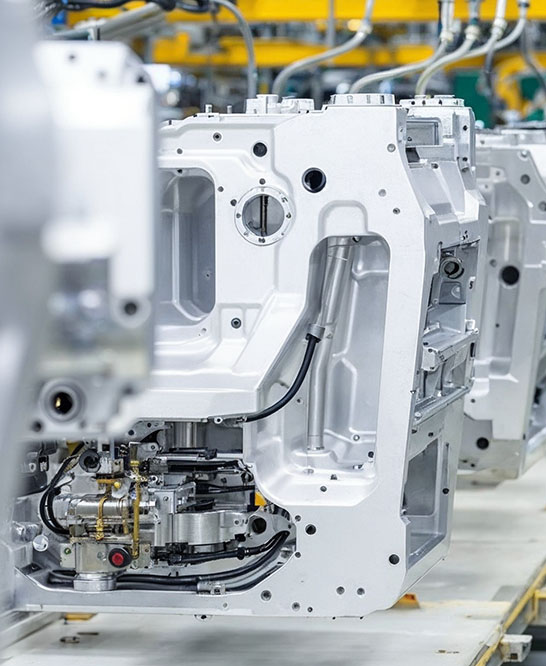
What are the advantageous properties for aluminum casting's in mechanical engineering?
- Aluminum reduces the weight of modern systems and brings advantages for transport, ceiling loads, and foundations
- Corrosion resistant for use in demanding operational environments
- High electrical and thermal conductivity for optimal heat dissipation
- Components made of aluminum casting are vibration-damping

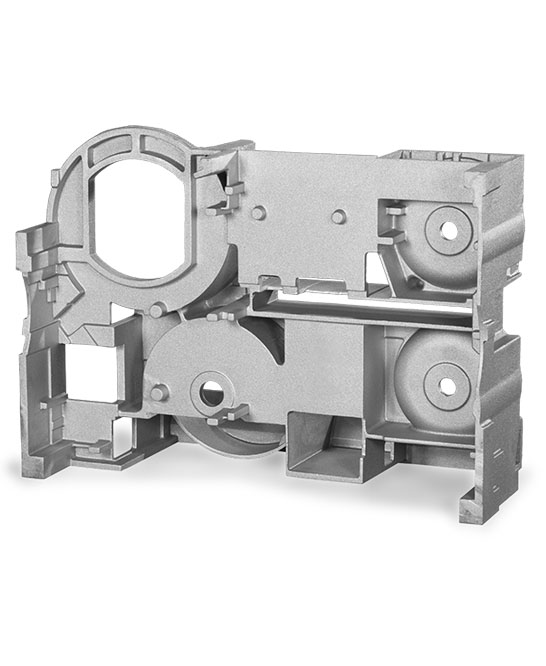
Examples of aluminum casting's in mechanical engineering
Examples- Machine beds
- Portals
- Process chambers
- Side panels
- Machine frames
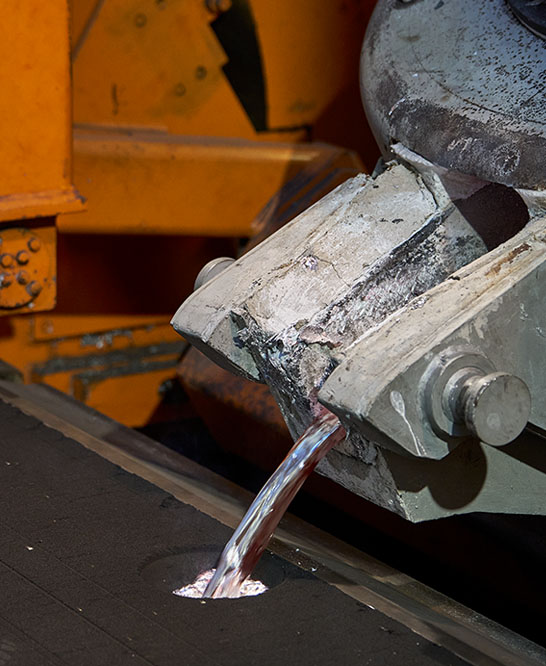
Which casting processes does Thoni Alutec offer for mechanical engineering components?
Casting processes- Sand casting with 3D sand printing (prototypes)
- Sand casting using air setting resin molding process's (no-bake process)
- Sand casting with automatic moulding line
- Gravity die casting
- Low-pressure die casting
- Low-pressure sand mould casting tecnology

Got any questions? Or need advice?
Use the form or contact us